Roofing
Repair or Replace? How to Read the Warning Signs on Your LA Roof
Cracked shingles, granules in the gutter, stains on the ceiling — here’s how Los Angeles homeowners can tell a quick roof repair from a full replacement.
Read article →
Roofing materials that thrive in Seattle can cook in Chatsworth. Southern California roofs face a specific gauntlet: months of relentless UV, 100°F attic-baking heat waves, Santa Ana winds, and then — every few winters — a season’s worth of rain in a week. Here’s how the main options actually hold up.
Most Valley homes wear asphalt shingles, and modern architectural (laminated) shingles are a big step up from the old 3-tab strips. They’re thicker, wind-rated, and come in “cool roof” colors that reflect more solar heat — which matters, because California’s Title 24 energy code steers new roofs toward reflective materials.
There’s a reason Spanish-style homes across LA wear tile. Clay and concrete shrug off UV, breathe well, and can last 50+ years. The catch is weight — tile can run 600–1,100 lbs per square (100 sq ft), so the framing must be rated for it — and the underlayment beneath tile still needs replacement every 20–30 years even when the tiles themselves are fine.
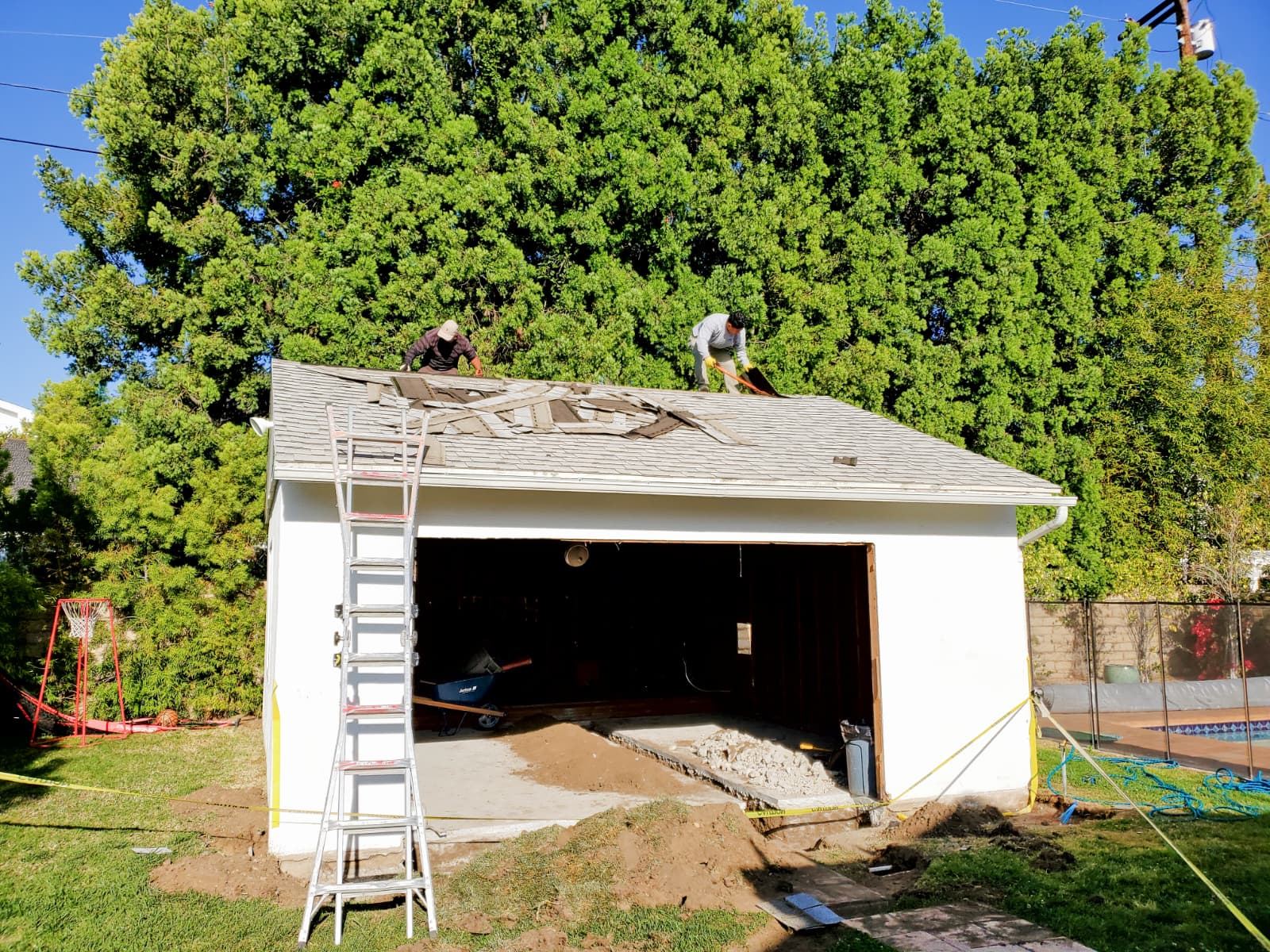
Mid-century Valley homes and modern additions often carry low-slope roofs where shingles can’t shed water. Single-ply membranes like TPO reflect heat beautifully (bright white surface), resist ponding, and install cleanly. Modified bitumen (torch-down) remains a durable, economical choice for smaller flat sections like patio roofs and garages.
We’ll be blunt: an average shingle installed perfectly outlasts a premium shingle installed badly. Ventilation sizing, underlayment choice, flashing details, fastener placement — that’s where roofs are actually won or lost. It’s also why manufacturers tie their best warranties to certified installation practices.
Not sure what’s on your roof now, or what it should be next? We’ll walk it, photograph everything, and give you a straight recommendation — with the reasoning, not just a price.
Cracked shingles, granules in the gutter, stains on the ceiling — here’s how Los Angeles homeowners can tell a quick roof repair from a full replacement.
Read article →Tear-off noise, material staging, inspections, weather calls and the final magnet sweep — what actually happens during a residential re-roof in LA.
Read article →Refresh, full remodel or layout change? The three kitchen scope tiers, what moves the price in LA, and where the money actually goes.
Read article →Your request is in — we'll reach out shortly. For anything urgent, call (310) 228-8284.